

Expert Rat Extermination and Removal
Rat control in your home or business can be pesky and difficult. Rats are very resourceful and good at tucking themselves away into parts of buildings that humans cannot reach. Once you’ve come to suspect that you may have some type of rodent living within your home or your business, it’s essential to address the problem immediately to avoid any damage to your property or harm to the people living or working in the building.
To protect your home or business from rats, you need to learn about the behavior of this pest, take steps for prevention, and find effective treatment options should an infestation occur.
What are Rats?
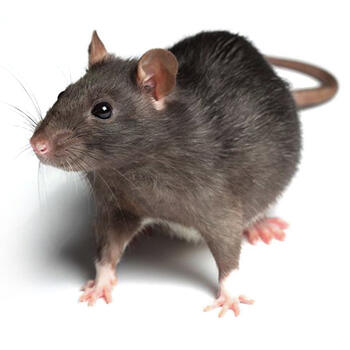
Rats are a common type of rodent. These pests can grow to be anywhere from a few inches in length to up to 10 inches. Rodent control experts at Peachtree Pest Control explain rats often live near places with food scraps such as dumpsters and garbage cans. Although these pests can be found in the wild, they usually congregate in more populated areas like cities and towns. There are more than 60 species of this particular rodent, but the most common types in the United States include house rats, Norway rats (also called brown rats), and roof rats (or black rats). While rats can live in a variety of environments, they tend to prefer warmer temperatures and live in areas near humans as they feed off of scraps of food and garbage. Because of rats’ resourceful nature, they are quite good at finding their way into homes and businesses throughout Atlanta, where they may have easier access to food and water. Because rats tend to travel in packs, you may likely have multiple rats in your home or business by the time you notice one.
Rats start their packs when a male and female decide to nest in a suitable area. If you see a rat, our pest control experts at Peachtree Pest Control recommend immediate rat treatment and rat control measures.
SMART Rat Control
Peachtree Pest Control is exclusive provider of SMART rodent control, an advanced pest management program that utilizes infrared monitoring and automated messaging to manage mice 24/7. SMART is a chemical-free solution to rodent problems that works at residential, commercial, and municipal levels. Peachtree Pest Control is committed to keeping homes and businesses throughout Atlanta healthy, safe, and rodent-free.
How Do I Identify Rats?
Rats are nocturnal creatures, which means that it may take some time before you notice these rodents. Residential rodent infestations can be easier to identify as you are more likely to notice rustling or other sounds of movement in your walls or ceiling during the night, explain professionals at Peachtree Pest Control. For business infestations, it can be more difficult since most people are not in the office at night.
Rat control experts at Peachtree Pest Control state the telltale sign of a rodent infestation is rat droppings, which will help you identify the type of rodent and the extent of the infestation. If you are finding a large number of rat droppings in various sizes, this could indicate a large-scale infestation. The location of the rat droppings will also reveal where the rodents may be nesting or spending most of their time.
Other signs of rat infections include holes in the wall. Rats will chew through walls, leaving behind holes that are about the size of a quarter. They may chew on other areas of your Atlanta home or business where there is exposed wood or wooden furniture. Rats often build nests within your home or business by shredding pieces of paper or string, so be on the lookout for any sign of these rodent creations, explain the pest control experts at Peachtree Pest Control.
How Did I Get Rats?
Like many other types of pests, rats are looking for a place with shelter and food, particularly if rats have a mate with whom they are trying to nest. Rats usually make their way into homes and businesses through small gaps in doors or pipes, holes, or openings in the foundation or roof, or any other tiny entrance, explain professionals at Peachtree Pest Control. These same types of openings can also allow bats to enter attics and other enclosed spaces, where professional bat control can help address the problem and prevent future entry. If you have a large amount of trash sitting around, this may also attract rats to the area. Rats are also attracted to reliable sources of water.
Our rat control experts at Peachtree Pest Control recommend you take steps as soon as possible to get rid of rats and implement rat prevention techniques. If not, you may be dealing with the problem for some time. Most wild rats live between two to three years. If adult rats decide to nest in your home or business, you will shortly be dealing with newborn rats as well.
What Are the Effects of Rats in and Around My Home or Business?
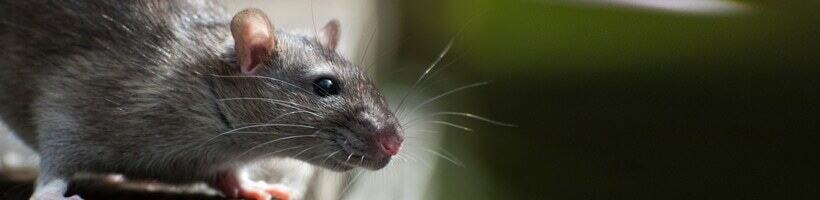
If you’ve ever run into a rat at your home or business, you know that feeling you experience. Most people are squeamish around rats. They project an image of uncleanliness and filth – even if the sighting happens in an area that’s clean. It can make you uncomfortable in your home. At a business, it can keep customers from coming into your facility or from ever coming back.
There are also worries about diseases that rats carry and can transfer to humans. Once you’ve identified a potential rat problem in your Atlanta home or business, it’s essential that you call in pest control experts to get rid of the rats because before they pose a serious threat to your health. Rodents are known to carry many harmful diseases that can easily be transmitted to humans. Rat-bite fever, Salmonella, and Murine Typhus are all examples of diseases that rats can be responsible for carrying and spreading. Typically, diseases are passed through their feces and urine, but if you come into direct contact with one of these rodents, the rats may even bite. Once you get rid of the rats, it’s important to sanitize all surfaces to reduce the chance of someone getting sick.
How Do I Prevent Rats?
Once you’ve rid your Atlanta home or business of an infestation, you must implement strict rat control methods to prevent this incident from happening again in the future. Have your home or business fully inspected for any holes or openings that may have allowed the rodents to enter your home by the pest control professionals at Peachtree Pest Control. You should also enforce a greater level of sanitation to avoid attracting rats to your property in the first place. Any items that might be used as rat nesting material like piles of leaves or mulch should be removed from the property as soon as possible.
How to Control Rats During a Renovation
According to statistics, mice and other rodents invade approximately 21 million homes during the winter in the US. Besides causing extensive damage, mice can also carry a variety of diseases, including salmonella and hantavirus.
If you are renovating a home, this can open even more opportunities for rodents to get in, especially if it is left unoccupied for certain periods without rat and mice control.
To protect your home and renovating projects from mice, our mice professionals state how to deter and eradicate them.
Clear up the Yard
During renovations, it’s easy for the yard to get cluttered. Piles of building debris and materials can mount up, as well as any garbage from the remodeling/renovation process.
Unfortunately, this can create a paradise for mice. Mice love piles of wood, unraked leaves, garbage heaps, etc., explain the rodent control experts at Peachtree Pest Control.
This gives mice cover to hide in before they make an entry into your home. To discourage this, our pest control experts recommend clearing any unnecessary heaps of building refuse. Stack materials neatly, rake up dead leaves, and dispose of woodpiles.
Get Rid of Garbage and Food
Do you have any full trash cans standing about? Maybe with food containers in them? If so, you want to empty these as soon as possible.
Garbage cans can act as both a food source and a place of shelter for incoming mice.
Seal the House
If you are renovating an older house, chances are there’re some chinks and cracks here and there that mice could get through. Mice and rats can squeeze through very small holes and crevices and find their way into your home.
To stop this from happening, and prevent mice from invading your home and its renovations, Peachtree’s pest management professionals recommend making it a priority to seal up your eaves, windows, doors, and vents as soon as you can in the renovation process.

Protecting Your Home or Business From Rats With Peachtree Pest Control
Peachtree Pest Control offers expert treatment designed to effectively and efficiently control and prevent pests from invading your home or business in Atlanta, Augusta, Fayetteville, Woodstock, Suwanee, Marietta, Hiram, Baxley, and Aiken SC. Our use of Integrated Pest Management (IPM) techniques focuses on finding the core of the pest concern and controlling Rats from the source. Through IPM, pest control materials are selected and applied in a manner that minimizes risks to human health, pets, and the environment.
Call Peachtree Pest Control today for your FREE and NO OBLIGATION estimate at 855-732-2487 or Schedule Online today!
GET A FAST & FREE ESTIMATE








Atlanta Pest Control for Rats FAQs
Common signs of rat activity include:
- Droppings
- Scratching or rustling sounds at night
- Gnaw marks
- Greasy rub marks along walls
- Shredded nesting material
- Small holes near walls, cabinets, vents, or utility lines
- Damaged food packaging
- Chewed wires
- Unpleasant odors
- Pet behavior focused on a wall, attic, crawl space, or cabinet area
Rat droppings are often one of the clearest clues because their size, quantity, and location can suggest where activity is concentrated.
A single sighting is worth taking seriously because rats often stay hidden during the day, and the rodent you see may not be the only one present.
Some signs can overlap with mice or other wildlife, so it is not always possible to identify the pest from one clue alone.
If you find repeated evidence, avoid dry sweeping or vacuuming droppings, limit access to the area, and contact us so we can determine what is present and where activity is likely occurring.
Rats usually enter through small openings around a structure rather than through one obvious doorway.
Gaps around garage doors, damaged vents, roofline openings, foundation cracks, utility penetrations, crawl space access points, and spaces around plumbing can all provide access.
Roof rats may use tree limbs, vines, fences, or utility lines to reach higher entry points, while Norway rats are more often associated with ground-level burrows, foundations, and lower openings.
Food, water, and shelter can also make a property more attractive. Overflowing trash, pet food, birdseed, compost, clutter, and standing water can increase rodent activity around the building.
Rats can squeeze through surprisingly small openings and may gnaw at weak materials to create more room.
We look at both entry routes and attractants because closing gaps without correcting food, water, or shelter sources can leave the property vulnerable to future activity.
Rats can create sanitation concerns and property damage inside homes and businesses.
These rodents may contaminate surfaces, stored food, insulation, and hidden spaces with droppings, urine, and nesting debris.
Rats are also associated with illnesses that can affect people, including Salmonella, murine typhus, and rat-bite fever. This information is general and is not medical advice.
If someone has been bitten, has direct exposure concerns, or feels unwell after contact with a rodent or rodent-contaminated area, consult a qualified health professional.
Property damage can also be significant. Rats gnaw frequently because their incisors continue growing, and that chewing can damage wood, drywall, plastic, stored belongings, food packaging, and electrical wiring.
Damaged wiring can create safety concerns, while damaged or contaminated insulation may need to be removed and replaced.
Because much of this activity takes place inside walls, attics, crawl spaces, and storage areas, visible signs may show only part of the problem.
Rat prevention works best when entry points, food, water, and shelter are addressed together.
Seal openings around doors, vents, utility lines, rooflines, crawl spaces, and foundations with materials appropriate for rodent exclusion. Weather stripping, door sweeps, vent covers, and properly fitted access doors can also help when installed correctly.
Sanitation is just as important. Keep trash containers tightly closed, remove food scraps, store pet food and birdseed in sealed containers, and clean up fallen fruit or outdoor feeding areas.
Yard conditions also matter. Dense vegetation, stacked debris, leaf piles, and woodpiles near the structure can provide cover before rodents attempt to enter.
One common mistake is relying only on traps after activity appears. Traps may reduce the rodents currently present, but they do not correct the reason the property was accessible or attractive.
Our rodent control approach combines active control with exclusion and prevention to make the structure harder to enter and less attractive to future rodents.
Some minor rodent problems can be reduced with sanitation, sealing small gaps, and properly placed traps, but rat infestations are often more complicated than they first appear.
Rats are cautious, mostly nocturnal, and skilled at using hidden voids, attics, crawl spaces, wall spaces, and exterior cover.
If trapping is done without locating entry points, additional rats may continue entering even after some are removed.
Improperly placed traps or rodent-control products can also create risks for children, pets, or non-target wildlife, and rodents that die in inaccessible areas can create odor problems.
Professional help makes sense when you see droppings in multiple areas, hear repeated nighttime activity, find gnawing damage, notice burrows, or see a rat during the day.
At Peachtree Pest Control, we use decades of rodent and pest-control experience to evaluate the structure, signs of activity, likely entry points, and conditions supporting the infestation before recommending the next steps.
Professional rat control starts with a detailed inspection of the areas where activity has been seen or heard.
We look for droppings, rub marks, gnawing, nesting material, burrows, travel routes, food sources, water access, and openings that could allow rodents inside.
Attics, garages, crawl spaces, kitchens, storage rooms, exterior walls, roof edges, and utility areas may all be important depending on the property.
After the evaluation, we explain what the evidence suggests and recommend control and prevention measures based on the findings.
Service may include trapping, targeted control, exclusion, sanitation recommendations, and advanced monitoring.
Peachtree Pest Control also incorporates SMART rodent control, which uses connected monitoring technology to detect rodent activity around the clock and give our team better information about where pressure is occurring.
Not every rat problem is resolved in one visit because rodents may be hidden, cautious, or active in difficult-to-access areas.
The goal is to identify the source of the activity, begin appropriate control, address access points, and provide clear next steps for long-term prevention.
Call a professional when you find repeated signs of rat activity, especially:
- Droppings
- Nighttime scratching or movement
- Gnaw marks
- Chewed food packaging
- Burrows
- Damaged insulation
- Rat sightings inside living or working areas
A single rat sighting is worth taking seriously because these rodents tend to avoid open areas and may remain hidden for long periods.
Businesses should act promptly as well because rodent activity can affect sanitation, stored goods, customer confidence, and daily operations.
You should also reach out if traps have not worked, you cannot locate the entry point, or you suspect activity in walls, ceilings, crawl spaces, attics, or rooflines.
Waiting can allow additional chewing, nesting, contamination, and reproduction to occur.
We provide residential and commercial rat control throughout the Atlanta area and can help determine whether the problem is active, where it may be coming from, and which control and prevention measures make sense for the property.
The timeline for rat control depends on the size of the infestation, where rodents are nesting, how many entry points exist, and whether food, water, or shelter sources are still supporting activity.
A small, recent problem with a few clear access points may be resolved more quickly than a long-running infestation in an attic, crawl space, restaurant storage area, or older structure with numerous gaps.
Rats are cautious and may initially avoid new traps or objects, so control can require patience and proper placement.
Exclusion work also varies. Some openings are relatively straightforward to address, while roofline gaps, crawl space problems, damaged vents, or construction-related openings may require more extensive work.
It is not realistic to promise the same timeline for every property without first seeing the conditions.
During service, we explain what we find, which factors may extend the process, and what you can do to support the work, including improving sanitation, reducing clutter, and limiting outdoor food sources.
Choose a rat control company that explains how it will assess and prevent the problem, not just which products it uses.
A strong rodent-control program should include inspection, identification of activity, entry-point evaluation, control methods, exclusion guidance, sanitation recommendations, and long-term prevention.
Ask whether the company serves both homes and businesses, what experience it has with regional rodent problems, and how findings and recommendations are communicated before work begins.
It is also reasonable to ask about licensing, insurance, technician training, service terms, follow-up, and which work is included in the quoted service.