

How to Get Rid of a Stink Bug Infection
The first time you catch wind of the pungent odor produced by a stink bug is the day you’ll realize how important it is to keep this pest out of your home or business. Not only do stink bugs stink, but these bugs can also destroy plants indoors and outdoors in a short window of time. First collected in the U.S. in the mid-1990s, this invasive species quickly spread to surrounding Southeastern states, including Atlanta, Augusta, Fayetteville, Woodstock, Suwanee, Marietta, Hiram, Baxley, and Aiken SC. Stink bugs have since been confirmed in 44 different states and the District of Columbia.
To protect your home or business from stink bugs, you need to learn about the behavior of this pest, take steps for prevention, and find effective treatment options should an infestation occur.
Say Goodbye to Pests with Peachtree Pest Control
With expert services in Georgia and beyond, your pest-free home is just a call away.
What Are Stink Bugs?
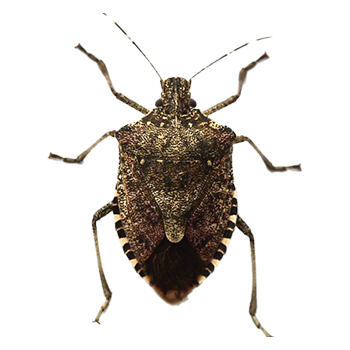
Pest control experts at Peachtree Pest Control explain stink bugs are large insects with six legs, antennae, and a generally triangular shape that resembles a medieval shield. The bugs are believed to have originated from eastern Asia and were accidentally introduced to the U.S. in the mid-1990s by hitching a ride on a packing crate or piece of heavy machinery.
Stink bugs get their name from the pungent odor they emit from a gland on their abdomen when they feel threatened. Depending on the type of stink bug you’re dealing with, the odor will differ, but it’s been described as similar to the strong scent of herbs and spices. The stink bug diet consists of plants with a particular fondness for weeds including Russian thistle, which is present in Atlanta, Augusta, Fayetteville, Woodstock, Suwanee, Marietta, Hiram, and Aiken SC, explain local professionals at Peachtree Pest Control.
How Do I Identify Stink Bugs?
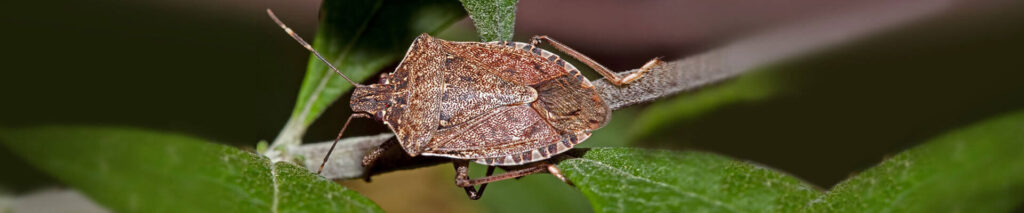
Stink bug prevention and stink bug treatment begin with proper identification of the pest. While different variants of the bug exist, most look similar with the main differences being slight variations in color and size. Young stink bugs are small in size, but adults can grow up to just under an inch. The tell-tale giveaway of a stink bug is the triangular shield-like shape of the body. Stink bugs are nearly as wide as they are long, especially when you take their protruding legs into account. Adults are typically green during the summer months and shift to a mottled grayish-brown during the fall stimonths.
Another way you can identify the presence of stink bugs is by identifying their eggs laid on the underside of leaves around your home or business. According to the EPA(opens in new tab), adult female stink bugs lay groups of 20-30 eggs between May and August. The eggs are laid in clusters, are green or yellow in color, and resemble an elliptical shape.
How Do I Get Stink Bugs?
Unfortunately, stink bugs, especially in the southeast, run rampant. If your home or business is targeted by these pests, you’ll first notice them in the fall months and usually in large numbers. Be aware that you may see live or dead stink bugs during this period. Both are a sign of an active infestation and should be addressed immediately.
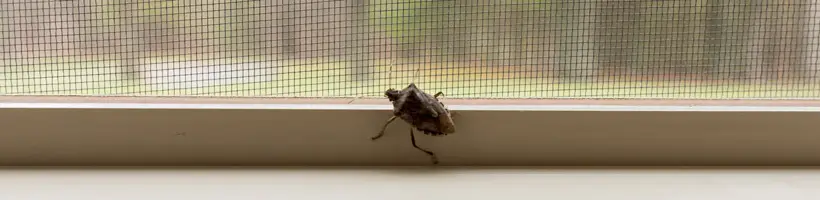
Pest control experts at Peachtree Pest Control state the stink bugs spend most of the year outdoors until the colder winter months when they begin to seek warmer shelter indoors. Initially, the bugs will be attracted to the plants you have surrounding your home. From there, the path of least resistance to warmer weather is inside of your building.
What Are The Effects of Stink Bugs In and Around My Home or Business?
Without proper stink bug treatment, your Atlanta, Augusta, Fayetteville, Woodstock, Suwanee, Marietta, Hiram, and Aiken SC home or business may endure several effects from these invasive pests. The most widely known effect is the damage these plant-eating bugs cause to plants. As stink bugs use a needle-like mouthpart to pull fluids from the stems, seeds, and leaves of plants, immediate and future damage can occur. These include:
- Physical damage and destruction of plants
- Production of stunted plants with abnormal growths and misshapen leaves
- Damage to crops for farmers and gardeners
- The inability of young seedlings to continue growth
Additionally, while not poisonous, stink bugs can also make pets and people sick and vomit if ingested. For business owners, having odorous bugs taking up residency is not only unsanitary, but it is unpleasant to customers and guests and may put you at risk for unfavorable health department reviews and ratings. While stink bugs are not known to carry diseases, they can still have a profound effect on your quality of life and business operations.
How Do I Prevent Stink Bugs?
The prevention of stink bugs is best handled through the expertise of a professional. Preventing stink bugs on the outside of your home will require professional assistance. There are steps you can take to limit your exposure to these pests inside your home or business. These steps that you can take today include:
- Sealing off doors, windows, and cracks to prevent intrusion. Utilize caulk, weather stripping, and door sweeps for the best results.
- Make sure your chimney is safely capped or screened.
- Educate your family and employees on the importance of keeping doors and windows closed as much as possible. Stink bugs will not turn down an open invitation, especially during colder winter months.
- Check your building’s foundation for cracks or openings where bugs could make their entry.
- Keep piles of vegetation, shrubbery, and debris clear of your home’s foundation and entry points.
- Address infestations and get rid of stink bugs at the first sign of a problem. Remember, only finding dead bugs is still a sign of an active problem.
- Stink bug control is an on-going and yearly problem. Make sure to regularly utilize the steps listed here.
- When in doubt, seek the help of a professional, like Peachtree Pest Control.
Protecting Your Home or Business From Stink Bugs With Peachtree Pest Control
Peachtree Pest Control offers expert treatment designed to effectively and efficiently control and prevent pests from invading your home or business in Atlanta, Augusta, Fayetteville, Woodstock, Suwanee, Marietta, Hiram, and Aiken SC. Our use of Integrated Pest Management (IPM)(opens in new tab) techniques focuses on finding the core of the pest concern and controlling Stink Bugs from the source. Through IPM, pest control materials are selected and applied in a manner that minimizes risks to human health, pets, and the environment.
Call Peachtree Pest Control today for your FREE and NO OBLIGATION estimate at 855-732-2487 or Schedule Online today!
Pest Control for Stink Bugs FAQs
Large numbers of stink bugs indoors usually mean they found small exterior openings while looking for protected shelter during cooler weather.
These insects spend most of the year outside feeding on plants, weeds, garden vegetation, and crops. As temperatures cool, stink bugs gather on sunny walls, around rooflines, near windows, and along door frames because those surfaces offer warmth and access.
Once these pests slip behind siding, into attic spaces, or through gaps around utility lines, you may find them inside living or work areas, especially on warmer winter days.
Indoor sightings do not always mean stink bugs are breeding inside. Many are simply overwintering and becoming active when light or heat draws them out. A few dead bugs can still point to a larger hidden group.
Sealing cracks, repairing screens, adding door sweeps, and reducing vegetation near the foundation can help. When clusters keep returning, seasonal pest control for stink bugs can address entry points and exterior activity more thoroughly.
Crushing a stink bug often triggers the odor that gives this pest its name.
The smell comes from glands on the body and is released when the insect feels threatened or is smashed. That odor can linger on surfaces, attract attention inside a room, and make removal more unpleasant than necessary.
Killing one bug also does little to solve the reason it entered, especially when others are hiding in wall voids, attics, or exterior crevices.
A better approach is to remove individual bugs without crushing them. Many homeowners use a container, a piece of paper, or a vacuum with a disposable bag or canister that can be emptied promptly outdoors.
Avoid sweeping piles of them aggressively, since that can spread odor. The key point is that handling matters, but entry prevention matters more. If stink bugs continue appearing, focus on sealing access areas and treating exterior gathering spots instead of reacting to each insect one at a time.
You cannot permanently stop every stink bug from reaching your property, but long-term reduction comes from sealing entry points, reducing exterior harborage, and using well-timed professional service.
That means closing gaps around windows, doors, vents, utility penetrations, siding, fascia, chimneys, and foundations before cool weather drives them toward buildings. It also means keeping weeds, plant debris, and dense vegetation away from entry areas where possible.
At Peachtree Pest Control, we use over 50 years of pest control experience and an Integrated Pest Management approach to look at why the insects are getting inside, not just where you see them.
We cannot stop every outdoor insect from landing on a structure, but we can help reduce the conditions that allow them to move indoors in large numbers. For recurring fall invasions or hard-to-reach access points, professional evaluation is the most dependable next step.
Prevention works best before stink bugs begin moving indoors for cooler weather.
Start by sealing openings around windows, door frames, siding gaps, fascia boards, vents, pipes, cables, and the foundation. Caulk can help with narrow cracks, while weatherstripping and door sweeps reduce gaps that insects use at thresholds.
Window and vent screens should fit tightly and be repaired when torn. Chimneys, attic vents, and crawl space openings also need secure screening where appropriate.
Around the exterior, move piles of leaves, weeds, firewood, and plant debris away from the foundation, since these areas can give insects places to gather. Dense shrubs touching the structure can also create convenient bridges to entry points.
The challenge is that stink bugs can exploit very small gaps, and some openings are hidden behind trim or siding. For homes with repeated seasonal activity, stink bug control should include both exclusion guidance and exterior service around likely access areas.
Professional stink bug control usually focuses on the exterior because that is where the insects gather before entering.
The first step is understanding where these pests are landing, resting, and slipping inside. Common focus areas include sunny walls, window frames, door frames, roofline gaps, vents, attic access points, cracks in siding, and vegetation close to the structure.
Service may include targeted applications to exterior surfaces and entry zones, along with recommendations for sealing gaps and reducing attractants.
Through Integrated Pest Management, materials are selected and applied in ways that account for people, pets, and the surrounding environment. Indoors, professionals may remove accessible insects and advise against crushing them, but interior removal alone is usually not enough.
In Georgia and Aiken, SC, seasonal pressure can be heavy, so timing and prevention matter. If large clusters are appearing on exterior walls or inside rooms, a professional assessment can help determine which treatment and exclusion steps fit the structure.
Service time varies with the size of the property, the amount of activity, the number of access points, and whether the issue is limited to a few rooms or involves exterior gathering areas.
Many stink bug services can be handled in a single appointment, but the exact timing depends on what is found during the visit.
You should expect our technician to ask where and when you are noticing activity, then check common entry areas such as windows, doors, vents, rooflines, siding seams, foundation gaps, and nearby vegetation.
We may discuss exclusion needs, sanitation or plant debris concerns, and treatment options for active zones.
At Peachtree Pest Control, our goal is to explain what we find in plain language so you know why the problem is happening. Some insects may still appear for a short period after service if already hidden inside.
For heavy or recurring activity, scheduling an inspection helps set realistic expectations.
Stink bugs are not known for biting people or pets and are not known to spread disease. Their main problems are odor, nuisance activity, and plant damage.
When threatened or crushed, these pests can release a strong smell that many people find unpleasant. Some people may also notice minor irritation from handling insects or from contact with the odor, so it is better to avoid touching them directly.
Pets may try to eat them, and ingestion can sometimes lead to drooling, stomach upset, or vomiting because of the insect’s taste and defensive chemicals.
We cannot evaluate symptoms or provide medical guidance. If a person or pet appears unwell after contact with stink bugs, a qualified medical professional or veterinarian is the right resource.
From a pest control standpoint, the safest response is to remove individual insects without crushing them, reduce indoor access points, and address larger infestations before they become a repeated seasonal problem.
GET A FAST & FREE ESTIMATE







Looking For Pest Control Services in Your Area?
Peachtree Pest Control provides expert pest control, extermination, and wildlife removal services throughout Georgia, North Carolina and South Carolina: