
Marietta termite control is a smart investment for homes and businesses throughout Cobb County, where warm weather, moisture, crawl spaces, wooded lots, and older construction can create the right conditions for termite activity. At Peachtree Pest Control, we bring more than 50 years of experience to termite inspections, targeted treatment, and long-term prevention. Whether you are near Historic Marietta Square, East Cobb, Kennesaw Mountain, Powers Park, or a nearby neighborhood, we build termite solutions around your property, your risk level, and your need for dependable protection. We can also coordinate termite service with broader Marietta pest control when you want one local team helping protect the entire property.
Termites often stay hidden until damage becomes more noticeable, which is why early inspection matters. You may need professional help if you see mud tubes near the foundation, soft or blistered wood, discarded wings, swarming insects, hollow-sounding trim, moisture issues in a crawl space, or signs of subterranean termites around wood-to-soil contact points. Our technicians inspect accessible interior and exterior areas, look for termite shelter tubes and conducive conditions, and explain what we find in plain language. If we identify activity, we recommend a treatment plan that may include targeted termite control, monitoring, prevention, or termite bait stations, depending on the structure and the conditions around it.
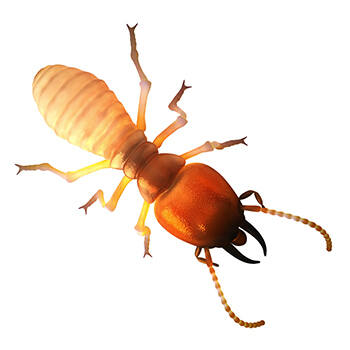
Termite Treatment Built Around Inspection, Prevention, and Long-Term Protection
Our termite treatment process starts with a careful inspection because every property is different. A home near shaded creek beds, older wood framing, or heavy landscaping may have different termite issues than a newer commercial building with slab construction and limited soil exposure. We look at moisture, wood contact, crawl space conditions, foundation access, landscaping, drainage, and previous treatment history before recommending a plan. When baiting is the right fit, termite bait stations can help monitor termite activity and support ongoing colony management. When another treatment approach is more appropriate, we explain why and walk you through the next steps before service begins.
How much does termite control cost in Marietta? The total cost depends on the size of the property, construction type, inspection findings, treatment method, severity of activity, accessibility, and whether ongoing monitoring is recommended. A small preventive treatment is not priced the same as a larger structure with active termite presence and multiple risk areas. We focus on transparent recommendations instead of one-size-fits-all pricing, and we can discuss available financing when a larger termite treatment or home protection plan is needed. Our goal is to help you understand the problem, the solution, and the value of protecting your structure before termites cause more expensive damage.

Signs You May Need Marietta Termite Control
Termites often remain hidden, which is why early warning signs should never be ignored. You may need professional help if you see mud tubes, termite swarmers, discarded wings, or wood damage that does not have another clear cause. We also recommend a termite inspection when a property has a history of termite activity, moisture in the crawl space, clogged gutters, poor drainage, heavy mulch touching the foundation, or wood debris stored close to the home. These conditions do not always mean termites are active, but they can make the property more appealing and should be addressed.
Store-bought sprays may kill a few visible insects, but they rarely solve a termite problem at its source. Termite colonies can remain hidden in soil, walls, or structural wood even after the visible insects are gone. Our technicians inspect beyond the surface to identify activity, entry points, and contributing conditions before recommending next steps
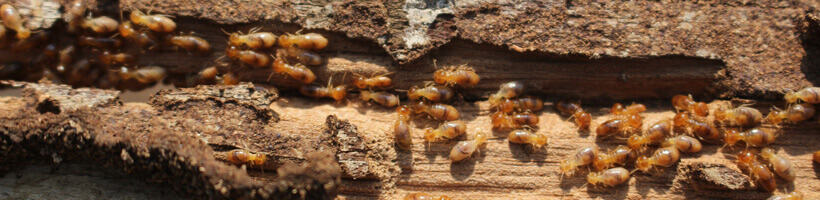
How Much Does Termite Control Cost in Marietta?
The cost of termite control in Marietta depends on the property and the service required. A smaller home with a straightforward foundation and preventive monitoring needs may require a different level of service than a larger home with crawl space access, active termite pressure, multiple risk areas, or difficult treatment conditions. Commercial properties and multi-building sites may also require more extensive planning.
After an inspection, we explain the findings, the treatment options, and the factors that influence the total cost. We focus on clear, practical recommendations rather than generic pricing that may not fit the property. If a larger treatment or protection plan is recommended, we can also discuss financing options. Our goal is to help you make an informed decision that protects the structure and supports long-term prevention.
Why Choose Peachtree Pest Control for Termite Control in Marietta?
Homeowners and businesses choose Peachtree Pest Control because we combine local termite knowledge, trained technicians, modern treatment options, and practical prevention guidance. We understand the termite issues that affect Georgia properties, and we know how foundation design, moisture, mulch, crawl spaces, and seasonal activity can influence treatment decisions. Our team prioritizes safe and effective solutions, low-toxicity and eco-conscious methods whenever possible, clear communication, and service that is built around long-term protection rather than a quick temporary fix.
We serve Marietta and surrounding communities across Cobb County and the greater Atlanta area, including East Cobb, Smyrna, Kennesaw, Powder Springs, Acworth, Vinings, and nearby neighborhoods. If you are buying a property, preparing to sell, seeing possible termite signs, or simply want better protection for your home or business, we are ready to help. Contact Peachtree Pest Control to request a free estimate and get a termite inspection from a team that understands Marietta properties and Georgia termite problems.

How Our Marietta Termite Control Process Works
Our process begins with an inspection of accessible areas inside and outside the property. We examine the foundation, crawl space, exterior perimeter, garages, porches, landscaping edges, moisture-prone areas, and other locations where termites may enter or travel. We also look for signs such as shelter tubes, damaged wood, moisture, or conditions that attract termites.
After the inspection, we explain what we found and recommend a treatment or prevention plan. Depending on the property, that plan may include targeted termite treatment, termite bait stations, monitoring, or recommendations for reducing moisture and wood-to-soil contact. After service, we provide guidance on practical prevention steps such as improving drainage, moving firewood away from the structure, managing mulch depth, and addressing crawl space moisture.
Get a Marietta Termite Control Quote Today
If you are seeing possible termite signs or want to protect your property before damage develops, contact Peachtree Pest Control for a free estimate. We will inspect your Marietta home or business, explain the findings, and recommend termite treatment or prevention designed to deliver dependable long-term protection.
Marietta Termite Control FAQs
Termites can remain hidden for long periods, so the first signs are often subtle. We recommend watching for mud tubes along foundation walls, crawl space piers, garage edges, brick, or concrete. Other warning signs include discarded wings near windows or doors, soft or blistered wood, bubbling paint, hollow-sounding trim, sticking doors, sagging flooring, and unexplained damage around baseboards or door frames. Swarming insects indoors are especially important to investigate because they may indicate a colony is active within or very close to the structure.
In Marietta, moisture, wooded lots, crawl spaces, heavy mulch, and wood-to-soil contact can increase termite pressure. These conditions are common around East Cobb, Sandy Plains, Historic Marietta Square, and other established neighborhoods. Because termite damage may be hidden behind walls or below flooring, a visual check is not always enough. We recommend scheduling a professional termite inspection when you see suspicious signs or when the property has not been inspected recently. We inspect accessible interior and exterior areas, identify conducive conditions, and explain whether the evidence points to active termites, previous activity, or a preventive concern.
If you see termite swarmers or piles of discarded wings, avoid spraying the area and assuming the problem is solved. Swarmers are reproductive termites that leave a mature colony to establish new colonies. Killing the visible insects does not address the workers and colony activity that may still be hidden in the soil, crawl space, walls, or foundation areas. We recommend saving a few insects or wings in a small container when possible so they can be identified during an inspection.
An outdoor swarm in the yard does not always mean the structure is infested, but it does show that termites are active nearby. A swarm indoors, especially near windows, doors, garages, or crawl space access points, is more concerning and should be evaluated promptly. Our team can inspect the structure, look for subterranean mud tunnels and termite activity, and recommend the right next step. Treatment may involve targeted service, monitoring, or termite bait stations, depending on the construction, termite species, and inspection findings.
The cost of termite treatment in Marietta varies because every property has a different layout, construction type, and level of risk. Factors may include the square footage of the structure, foundation type, crawl space accessibility, location of termite activity, soil access, treatment method, monitoring needs, and whether moisture or wood-to-ground contact is contributing to the problem. A preventive plan for a smaller home may cost less than treatment for a larger structure with active termites, multiple buildings, or difficult foundation access.
We do not rely on one-size-fits-all pricing. We begin with an inspection, explain what we found, and recommend a solution based on the actual conditions around the property. This helps customers understand what affects the total cost and why a particular treatment is recommended. When a larger project is needed, we can also discuss available financing options and broader home protection plans. The best way to receive accurate pricing is to request a professional inspection and estimate rather than relying on a general online range.
The best termite treatment depends on the type of termite, where activity is located, the structure’s foundation, and the conditions supporting the infestation. In Marietta, subterranean termites are a major concern because they live in the soil and can enter through foundation cracks, plumbing penetrations, expansion joints, crawl spaces, and areas where wood is close to the ground. We may recommend a targeted treatment, a baiting and monitoring approach, or another professional termite control strategy after inspecting the property.
Termite bait stations can be useful for monitoring termite activity and supporting colony management around a structure. Other treatment methods may be better suited to active areas, complex foundations, or specific access points. We do not recommend choosing a treatment based only on price or a visible mud tube. Peachtree Pest Control evaluates the full property so we can recommend a plan that addresses current activity and helps reduce future risk. Our goal is to match the treatment to the property, not force every customer into the same package.
Do-it-yourself products may kill a few visible termites, but they usually do not eliminate a hidden colony or protect the full structure. Subterranean termites often travel through soil and concealed mud tubes, which means the insects you see may represent only a small part of the activity. Spraying visible termites or breaking apart mud tubes can also make it harder to determine where the colony is entering and how active it is.
Professional termite control involves more than applying a surface product. We inspect foundation areas, crawl spaces, garages, landscaping edges, wood-to-soil contact points, moisture-prone areas, and other common entry locations. We also consider the construction type and whether monitoring or ongoing prevention is appropriate. Store-bought treatments may create a temporary appearance of improvement while termites continue feeding elsewhere. Because termite damage can affect structural wood, we recommend professional evaluation whenever you see mud tubes, swarmers, discarded wings, or suspicious wood damage. Our Marietta pest control team can identify the issue and explain the treatment options before service begins.
The time needed for termite treatment to work depends on the treatment method, the size and location of the colony, the property layout, and the level of activity. Some targeted treatments begin affecting termites quickly, while baiting and colony-management systems work over time as termites interact with the stations and carry the active material through the colony. A larger or more complex infestation may require continued monitoring before activity is fully controlled.
We explain what to expect based on the treatment selected for the property. Termite control is not always a one-visit process, especially when the goal is long-term protection rather than simply killing visible insects. Monitoring allows us to evaluate activity, check treatment areas, and make adjustments when needed. Customers can also help by addressing moisture, drainage, wood debris, and wood-to-soil contact. When crawl space moisture is part of the problem, crawl space encapsulation may be worth discussing as part of a broader prevention strategy. We focus on realistic expectations, clear communication, and dependable follow-up rather than promising an exact timeline before an inspection.
Termite prevention starts with reducing moisture and limiting access to wood and cellulose materials. We recommend repairing plumbing leaks, improving drainage, keeping gutters clear, directing downspouts away from the foundation, and addressing standing water around crawl spaces or landscaping. Firewood, lumber, cardboard, and wood debris should be stored off the ground and away from the structure. Mulch should not be piled deeply against siding, porch supports, or foundation walls.
It is also helpful to reduce wood-to-soil contact, maintain accessible foundation areas, seal obvious cracks when appropriate, and keep crawl spaces ventilated or properly managed. These steps do not replace professional termite protection, but they can reduce conditions that make a property more attractive to termites. Regular inspections are especially valuable for older homes, wooded properties, homes with crawl spaces, and buildings with a history of termite activity. We can combine termite monitoring with broader pest control services when customers want coordinated protection from termites, ants, rodents, cockroaches, and other regional pests.
The right inspection schedule depends on the property’s history, construction, moisture conditions, and current protection plan. Homes with previous termite activity, crawl spaces, drainage problems, heavy landscaping, or wood-to-ground contact may need closer monitoring than lower-risk structures. An inspection is also wise before purchasing a property, selling a home, beginning a renovation, or finishing an area where hidden termite damage could be covered.
We recommend ongoing attention rather than waiting for obvious damage. Termites can remain concealed behind walls, below floors, and inside structural wood, so visible signs may appear only after activity has been present for some time. During an inspection, we look for mud tubes, damaged wood, moisture, accessible entry points, and conditions that may support subterranean termites. Peachtree Pest Control can recommend an inspection and monitoring schedule based on the property rather than an arbitrary interval. To get started, contact us for a free estimate and termite inspection for your Marietta home or business.
GET A FAST & FREE ESTIMATE