

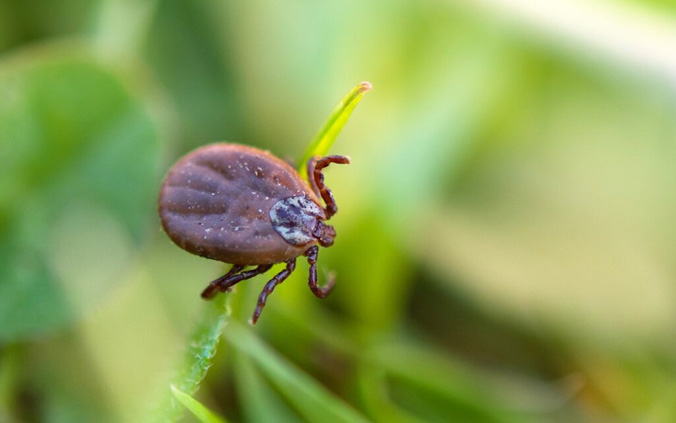
Most pet owners associate ticks with camping trips, hiking trails, and wooded areas. While those locations certainly pose a risk, many tick encounters happen much closer to home.
In Georgia, ticks are commonly found in residential neighborhoods, local parks, and even private backyards. As tick populations continue to thrive across the state, Atlanta-area homeowners should understand where these pests hide and how to reduce the risk they pose to both pets and family members.
Ticks Aren’t Just Found in the Woods
It’s easy to assume that avoiding heavily wooded areas will keep your pets safe from ticks. Unfortunately, ticks can survive in a variety of outdoor environments, including many places your dog may visit every day.
Common tick habitats include:
- Tall grass and unmanaged vegetation
- Mulched landscape beds
- Wooded borders surrounding yards
- Dog parks and pet-friendly recreation areas
- Neighborhood walking trails
- Parks and community green spaces
Changing weather patterns and milder seasonal temperatures have helped ticks remain active for longer periods throughout the year, increasing the chances of exposure in everyday outdoor settings.
How Ticks End Up in Residential Areas
Ticks often rely on wildlife to travel from one location to another. Animals such as deer, mice, rabbits, squirrels, and birds can carry ticks into neighborhoods where they eventually drop off and establish new populations.
Because of this, pets don’t need to leave home to encounter ticks.
Even dogs that spend most of their time in fenced yards can pick up ticks while exploring landscaping, grassy areas, or wooded edges of the property.
Don’t Assume Your Pet Is Low Risk
One of the biggest mistakes pet owners make is believing their pet isn’t exposed often enough to require tick prevention.
Many people only think about ticks during outdoor adventures or assume that limited outdoor activity eliminates the threat. Others stop preventative treatments during certain times of the year, believing tick season has ended.
The reality is that a single tick bite can expose a pet to potentially serious illnesses. Maintaining consistent tick prevention throughout the year is one of the most effective ways to help safeguard your pet’s health.
Proper Tick Removal Matters
If you discover a tick attached to your pet, removing it correctly can help minimize additional irritation and complications.
Follow these steps:
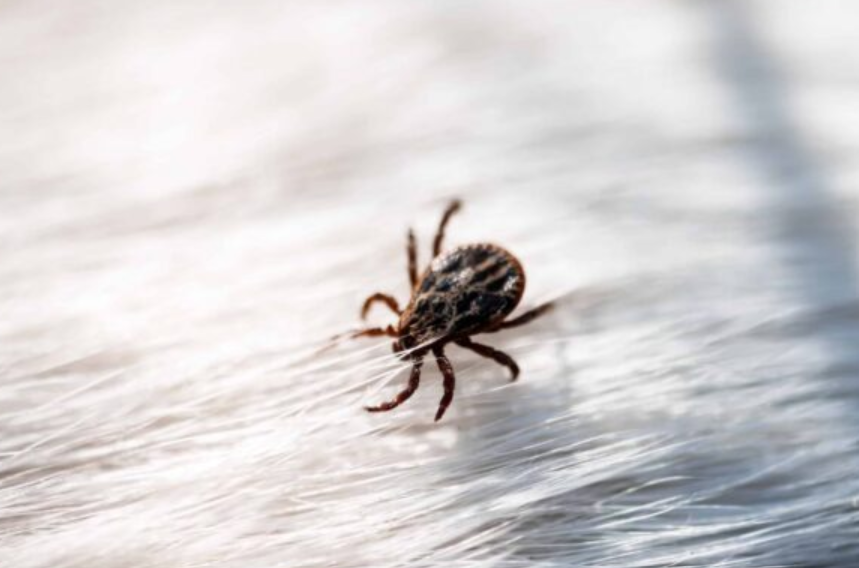
- Use fine-tipped tweezers or a tick removal tool.
- Grab the tick as close to the skin as possible.
- Pull straight outward using steady pressure.
- Clean the bite site thoroughly after removal.
Avoid squeezing, twisting, or crushing the tick. Likewise, skip home remedies that involve nail polish, petroleum jelly, alcohol, or heat, as these methods are ineffective and may make the situation worse.
Signs Your Pet May Be Experiencing a Tick-Borne Illness
After removing a tick, continue monitoring your pet for unusual symptoms.
Contact your veterinarian if you notice:
- Unusual fatigue
- Loss of appetite
- Fever
- Stiffness or limping
- Joint discomfort
- Vomiting
Some tick-borne diseases develop gradually, meaning symptoms may not appear until days or weeks after a bite occurs. If your pet begins acting differently, it’s important to consider recent tick exposure as a possible factor.
When speaking with your veterinarian, try to provide details about the tick and when it may have attached to your pet.
Protect Your Yard With Professional Tick Control from Peachtree Pest Control
Veterinary preventatives are an important part of tick protection, but managing tick populations around your property can help further reduce the risk of exposure.
Professional tick treatments focus on the areas where ticks hide and reproduce, helping to decrease their presence around lawns, landscaping, and outdoor gathering spaces. The fewer ticks on your property, the lower the likelihood of encounters for both pets and people.
Peachtree Pest Control provides effective tick control services designed to help Georgia homeowners enjoy their yards with greater peace of mind. Our customized treatment programs target tick activity around your property, helping create a safer outdoor environment for your family and pets.
If you’re concerned about ticks around your home, contact Peachtree Pest Control today to learn more about our professional tick control and year-round pest management solutions.